
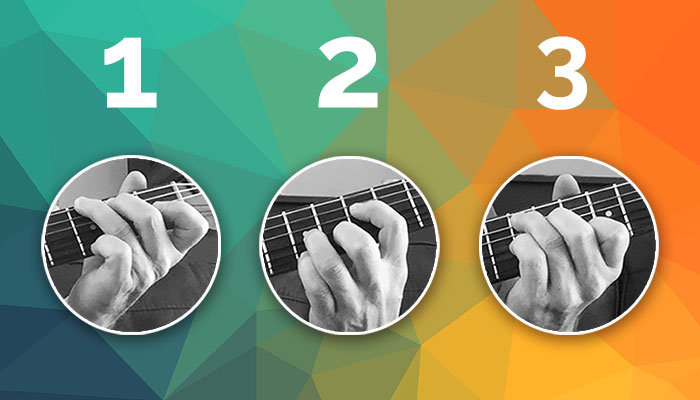
Every skill taught in classroom guitar has an associated sequence that it should be taught with. By using the correct sequence there’s a natural progression that allows more advanced skills to build on prior skills in the sequence. Whether it’s chords, reading, accompaniment patterns, or any other skill, understanding sequencing will save both teachers and Read the Rest…
The Muted Strum

Sometimes it’s the small things that make the biggest difference. In the world of guitar accompaniment techniques good time and rhythmic feel can make you sound like a pro when playing even the simplest strumming patterns. One of the easiest ways to develop that feel is by adding muted strums to your playing. It’s the percussive pop Read the Rest…
Skills Development – Fingerstyle Connecting Runs
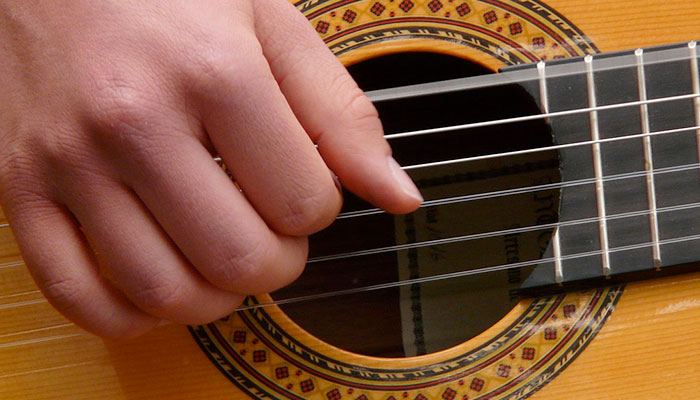
Fingerstyle connecting runs are the glue that turns simple fingerpicked chord patterns into professional sounding accompaniment. With a few simple rules you’ll be able to incorporate this technique into your own playing. Watch this free video lesson to learn how and download the pdf below.
Skill Development – Bass Run Fills

Using bass run fills to connect common chord progressions is a great way to add interest to your own playing, or when you’re accompanying your class. Watch this free video lesson from Mike Christiansen and Consonus to learn how. Be sure to download the included PDF.
Creating a Fingerpicking Solo
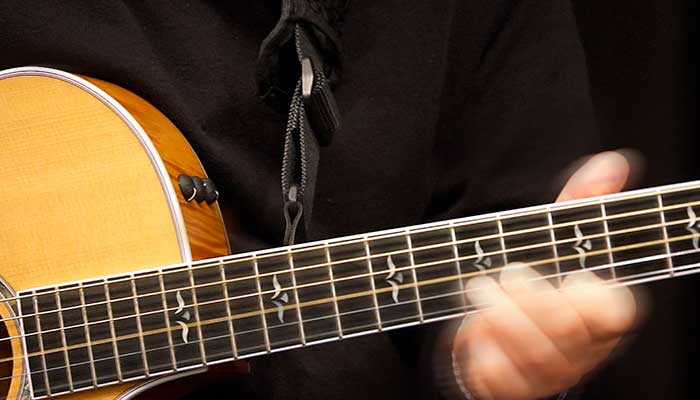
Have you ever wondered how to go about combining a melody with a fingerpicked chordal accompaniment to create a solo guitar arrangement? If you don’t know the process it can seem like an insurmountable feat, well beyond the reach of the average guitarist. In this week’s Expert Tips video blog entry Mike Christiansen will demonstrate Read the Rest…
Chords, Chords, and More Chords
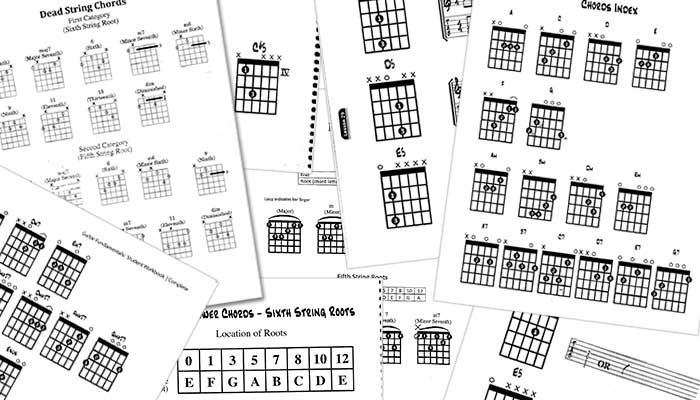
As a harmonic instrument the guitar offers the possibility of literally thousands of chords and voicings, yet most guitarists only know a handful of them. So which ones should you learn? It depends on the context. Each style of music has it’s own distinct signature in both the chord progressions and chord voicings that provide Read the Rest…
Guitar Pedagogy for the Non-Guitarist Music Educator

Many music educators, without having a guitar performance background, become their school’s guitar instructor by default. If this is you rest assured that it’s possible to teach a high quality guitar curriculum while, at the same time, developing your own playing and pedagogy skills. In this webinar presented by guitar pedagogy authority Mike Christiansen and Read the Rest…
Spice Up Your Teaching with Guitar Licks
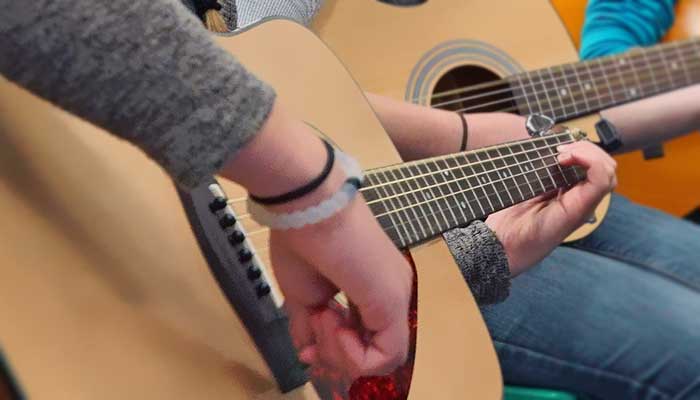
For this blog, I want to take a detour from the pedagogical material and show classroom guitar instructors a few licks that can be learned quickly and played while the students are strumming chords, or playing alternating bass, or even fingerpicking. Written below, are four licks (short, catchy phrases) that will work with G and Read the Rest…
Class Assessment: What Do They Think?
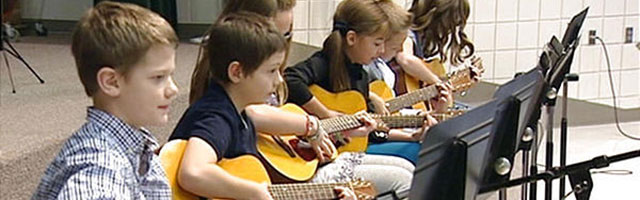
I recently observed a middle school guitar class using one of the best forms of assessment possible, and to top it off, it also implemented one of the best student attention getters possible. The teacher had the classroom equipped with microphones mounted high on the wall above the guitar class. They were plugged into a Read the Rest…
Building a District Guitar Program
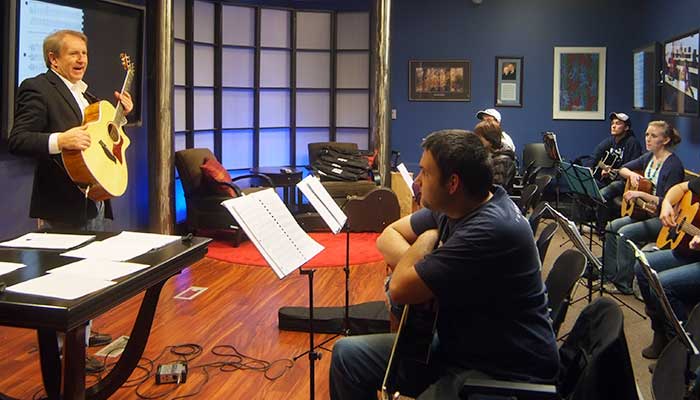
Classroom guitar is emerging as the top strategy to increase equitable music participation in school districts around the country. The guitar’s popularity, relative affordability, functionality as solo, ensemble and harmonic instrument, its role in many cultures, and quick learning curve are winning many advocates among district music coordinators. However, building a successful guitar program won’t Read the Rest…
